


What You Need to Know If a Pain Device Made Things Worse
Patients across the country are suing spinal cord stimulator manufacturers after experiencing painful electrical shocks, fractured leads, nerve damage, and other serious complications. Devices that were supposed to relieve chronic pain have instead left some patients facing additional surgeries, permanent injuries, and even worse pain than they had before implantation.
Lawsuits have been filed against major manufacturers, including Abbott, Boston Scientific, and Nevro. Claims involving Medtronic devices are also being investigated. The lawsuits focus on defective devices, inadequate safety warnings, and whether manufacturers followed federal medical device regulations.
Three separate federal multidistrict litigations (MDLs) are now underway, marking a major development for patients seeking compensation. Boston Scientific’s cases were consolidated in June 2026, followed by separate MDLs for Abbott and Nevro in October.
Below, we explain the latest lawsuit developments, which devices are involved, who qualifies to file a claim, and what injured patients should know about potential settlements.
Can You File a Spinal Cord Stimulator Lawsuit?
Quick Answer: You may qualify for a spinal cord stimulator lawsuit if you received a device manufactured by Abbott, Boston Scientific, Nevro, Medtronic, or St. Jude Medical and suffered a serious complication. Attorneys are currently reviewing cases involving fractured or migrated leads, severe electrical shocks, burns, neurological damage, and additional surgery to repair or remove implanted leads.
Many current case investigations focus on devices implanted in 2018 or later. However, the date of implantation is only one consideration. Your injuries, medical records, device manufacturer, and applicable filing deadline are also important.
Spinal Cord Stimulator Lawsuit Quick Facts
- Manufacturers: Abbott, Boston Scientific, Nevro, Medtronic, and St. Jude Medical
- Lawsuit Status: Three federal MDLs established as of October 2026
- Boston Scientific: MDL 3181, Central District of California
- Abbott: MDL 3194, Northern District of Illinois
- Nevro: MDL 3195, Northern District of California
- Common Injuries: Lead fractures, electrical shocks, serious burns, nerve damage, and complications requiring additional surgery
- FDA Recall: Certain Boston Scientific Infinion CX leads recalled in 2026 [Read FDA recall announcement]
- Settlement Status: No verified global settlement announced
- Legal Review: Free case evaluations are available for qualifying injuries
Last Updated: October 27, 2026
Spinal Cord Stimulator Lawsuit Updates (October 2026)
Spinal cord stimulator litigation has changed significantly in 2026. What began as separate lawsuits against several manufacturers has developed into three federal multidistrict litigations (MDLs), with courts now organizing the cases and establishing procedures for moving them forward.
The latest developments involve Boston Scientific, Abbott, and Nevro.
October 23, 2026: Boston Scientific Plaintiffs File Master Personal Injury Complaint
Attorneys representing patients injured by Boston Scientific spinal cord stimulators filed a master personal injury complaint in federal court on October 23, 2026.
The complaint brings together the central claims against Boston Scientific, including problems involving defective devices, inadequate safety warnings, and injuries that required additional medical treatment or surgery.
The filing establishes a common framework for the lawsuits. Rather than filing a completely separate complaint covering the same issues in every case, attorneys can use a shorter filing that identifies each patient’s individual injuries and circumstances.
The court has also separated the personal injury lawsuits against Boston Scientific from claims challenging certain FDA actions. Both are moving forward, but on different legal tracks.
The next scheduled status conference is November 6, 2026.
October 2, 2026: Federal Courts Establish Separate Abbott and Nevro MDLs
The US Judicial Panel on Multidistrict Litigation established two additional spinal cord stimulator MDLs on October 2, 2026.
Abbott Lawsuits: MDL 3194 was assigned to Judge Lindsay C. Jenkins in the Northern District of Illinois.
Nevro Lawsuits: MDL 3195 was assigned to Judge Haywood S. Gilliam Jr. in the Northern District of California.
The decision allows lawsuits against each manufacturer to move through coordinated pretrial proceedings.
The panel chose to keep the manufacturers separate because their devices, regulatory histories, and alleged conduct involve different evidence.
Although patients report similar complications across multiple brands, the legal claims against each manufacturer must be supported by evidence involving its own products.
September 3, 2026: FDA Announces Serious Boston Scientific Lead Recall
The FDA published a Class I recall notice involving certain Boston Scientific Infinion CX spinal cord stimulator leads.
The recall followed reports of lead fractures and other complications involving the affected products.
According to the FDA, Boston Scientific reported 1,081 serious injuries associated with the issue as of May 27, 2026. No deaths had been reported.
The affected products include Infinion CX lead kits with model numbers SC-2317-50 and SC-2317-70.
Importantly, the recall applies to unused affected leads. The FDA has not instructed patients with previously implanted leads to have them removed solely because of the recall.
We’ll cover the affected devices, reported injuries, and FDA recommendations in greater detail later in this article.
Read the FDA’s Boston Scientific Infinion CX recall announcement.
August 2026: Boston Scientific Court Appoints Plaintiffs’ Leadership
In August 2026, the federal court overseeing Boston Scientific spinal cord stimulator lawsuits appointed attorneys to leadership positions and established procedures for managing the litigation.
The court also authorized new qualifying lawsuits to be filed directly in the Central District of California under its direct-filing procedures.
These orders help organize discovery, reduce duplicated work, and create a more efficient process for handling cases involving similar injuries.
They do not determine whether Boston Scientific is liable or how much individual patients could recover.
June 5, 2026: Boston Scientific Spinal Cord Stimulator MDL Established
The federal judicial panel established MDL 3181 on June 5, 2026, consolidating Boston Scientific spinal cord stimulator lawsuits before Judge Josephine L. Staton in the Central District of California.
The panel declined to create a single MDL covering all spinal cord stimulator manufacturers.
Instead, it determined that claims against different manufacturers should be handled separately because the products and evidence were not identical.
That decision ultimately led to the creation of separate Abbott and Nevro MDLs in October.
February 2026: Attorneys Seek to Consolidate Spinal Cord Stimulator Lawsuits
Earlier in 2026, attorneys representing injured patients asked the federal judicial panel to coordinate spinal cord stimulator lawsuits involving multiple manufacturers.
Their request followed a growing number of cases involving device failures, painful electrical shocks, fractured leads, and additional surgeries.
The panel reviewed the consolidation requests before deciding in June to establish a Boston Scientific-specific MDL.
Separate proceedings involving Abbott and Nevro followed later in the year.
What Happens Next in the Spinal Cord Stimulator Lawsuits?
The three federal MDLs are still in their early stages.
Attorneys will continue gathering medical records, manufacturer documents, regulatory information, and evidence about how the devices were designed, manufactured, and marketed.
The courts will also address legal challenges, coordinate discovery, and establish procedures for moving individual claims forward.
Eventually, the litigation could involve settlement negotiations or trials designed to help the parties evaluate disputed issues. However, neither outcome is guaranteed, and no global settlement has been announced.
Patients who believe they were injured by a spinal cord stimulator do not need to wait for a settlement announcement to have their case reviewed.
For official court orders and transfer decisions, visit the U.S. Judicial Panel on Multidistrict Litigation.
Who Qualifies for a Spinal Cord Stimulator Lawsuit?
Patients who suffered serious complications after receiving a spinal cord stimulator may qualify to file a lawsuit against the device manufacturer.
Attorneys are currently reviewing cases involving devices implanted in 2018 or later, particularly when a malfunction caused a new injury, required hospitalization, or led to another surgery.
The strongest cases generally involve a documented injury and medical evidence showing what went wrong with the device.
What Are the Requirements for a Spinal Cord Stimulator Lawsuit?
Attorneys are currently investigating cases involving:
- Implantation in 2018 or later: The current case review focuses on more recently implanted devices.
- An eligible manufacturer: Abbott, Boston Scientific, Nevro, Medtronic, or St. Jude Medical.
- A serious complication: Fractured or migrated leads, severe electrical shocks, second- or third-degree burns, neurological injuries, or other significant medical problems.
- Additional medical treatment: Hospitalization, surgery to repair or remove implanted leads, or treatment for lasting injuries.
- Medical documentation: Records identifying the device and showing when the injury occurred.
The current case review is limited to spinal cord stimulators implanted in 2018 or later. Patients with older implants do not meet these particular screening criteria, although that does not necessarily mean they have no legal options.
What Injuries Are Attorneys Looking For?
Some of the most serious spinal cord stimulator cases involve patients who experienced:
- Lead fractures or migration that required surgery
- Painful electrical shocks severe enough to require hospitalization
- Second- or third-degree burns
- Loss of bladder or bowel control
- Gastroparesis or cardiac arrhythmias following device-related complications
- Paralysis or permanent neurological damage
- Surgery to revise or remove damaged implanted leads
These injuries can have several causes. Attorneys review medical records and device information to determine whether the spinal cord stimulator contributed to the patient’s condition.
We’ll explain each injury in more detail in the next sections.
Can You File a Lawsuit if You Already Had Chronic Back Pain?
Yes. Most patients receive spinal cord stimulators because they already have chronic pain.
The question is whether the device caused a new injury or made the patient’s condition worse.
For example, someone who received a spinal cord stimulator for persistent back pain and later underwent surgery because an implanted lead fractured may have grounds for a lawsuit.
The original pain condition does not prevent that patient from pursuing compensation for a separate device-related injury.
What if Your Spinal Cord Stimulator Was Implanted Before 2018?
The current investigation focuses on devices implanted in 2018 or later, but that is a case-screening guideline rather than a legal deadline.
Patients with older devices can still have their circumstances reviewed. Whether a claim can proceed depends on the injury, the evidence, and the filing deadline that applies.
Can You Sue if Your Spinal Cord Stimulator Was Removed?
Yes. Having the device removed does not prevent you from filing a lawsuit.
In some cases, the removal surgery is an important part of the claim, especially when doctors had to remove fractured or malfunctioning leads.
Operative reports, imaging, and other medical records can help document what happened, even if the removed components are no longer available.
What if You Don’t Know Which Spinal Cord Stimulator You Have?
You don’t need to know the exact manufacturer or model number before speaking with an attorney.
Your original implantation records, device identification card, or medical records from the treating facility should contain that information.
An attorney can help obtain those records and determine whether your device is involved in the current litigation.
Which Spinal Cord Stimulator Manufacturers Are Being Sued?
Four major medical device manufacturers are involved in spinal cord stimulator litigation: Abbott, Boston Scientific, Nevro, and Medtronic.
Patients have filed lawsuits after experiencing painful electrical shocks, fractured or migrated leads, neurological injuries, and other complications that sometimes required surgery to repair or remove their devices.
Although the injuries are often similar, the lawsuits against each manufacturer are being handled separately. That’s because each company developed its own devices, received its own FDA approvals, and made its own decisions about product safety.
Abbott and St. Jude Medical Spinal Cord Stimulator Lawsuits
Abbott manufactures several spinal cord stimulation systems, including the Proclaim and Eterna product lines. The company acquired St. Jude Medical in 2017, so patients with older devices may see the St. Jude name in their medical records.
Patients are suing Abbott after experiencing device malfunctions, painful electrical stimulation, lead migration, and other serious complications.
The lawsuits also raise questions about how Abbott obtained FDA approval for newer versions of its devices.
Attorneys are examining whether the company made significant changes to its spinal cord stimulators without conducting the additional clinical testing those changes warranted. The lawsuits also challenge the adequacy of Abbott’s safety warnings and the role of company representatives in programming implanted devices.
On October 2, 2026, federal courts consolidated the Abbott lawsuits into MDL 3194 in the Northern District of Illinois, before Judge Lindsay C. Jenkins.
Boston Scientific Spinal Cord Stimulator Lawsuits
Boston Scientific manufactures spinal cord stimulation systems sold under the Precision and WaveWriter names.
Patients have filed lawsuits after experiencing fractured leads, unexpected electrical shocks, burning sensations, loss of pain relief, and complications requiring additional surgery.
The litigation examines whether Boston Scientific adequately tested its devices, complied with FDA requirements, and warned physicians and patients about known risks.
Boston Scientific is also facing questions about its handling of product changes made after the original devices received FDA approval.
In June 2026, the federal judicial panel established MDL 3181 in the Central District of California, assigning the cases to Judge Josephine L. Staton.
The company faced another significant development in September 2026, when the FDA announced a Class I recall involving certain unused Infinion CX spinal cord stimulator leads.
The recall followed reports of lead fractures and serious injuries. We’ll examine the recall, affected model numbers, and FDA findings in a dedicated section below.
Nevro Spinal Cord Stimulator Lawsuits
Nevro developed spinal cord stimulation systems sold under the Senza and HFX names.
The company promoted its high-frequency stimulation technology as an alternative for patients living with chronic pain.
Patients are now suing Nevro over device failures, painful shocks, burning sensations, lead migration, and injuries that required additional treatment or surgery.
The lawsuits also question whether Nevro adequately evaluated changes to its devices and provided doctors and patients with sufficient information about their risks.
Another issue involves the role of manufacturer representatives in adjusting and programming implanted devices.
On October 2, 2026, the federal judicial panel established Nevro MDL 3195 in the Northern District of California, before Judge Haywood S. Gilliam Jr.
Medtronic Spinal Cord Stimulator Lawsuits
Medtronic manufactures spinal cord stimulation systems, including Intellis and Vanta devices.
Patients have brought claims involving Medtronic spinal cord stimulators after experiencing complications such as device malfunctions, painful stimulation, and problems requiring additional medical treatment.
Medtronic was among the manufacturers discussed when attorneys initially sought to consolidate spinal cord stimulator lawsuits in 2026.
However, the federal judicial panel declined to create one large proceeding covering the entire industry.
As of October 2026, Medtronic does not have a dedicated spinal cord stimulator MDL. Claims involving its devices are handled separately from the Boston Scientific, Abbott, and Nevro proceedings.
Patients who experienced serious complications involving a Medtronic device can still have their circumstances reviewed by an attorney.
Does the Manufacturer Matter When Filing a Spinal Cord Stimulator Lawsuit?
Yes. Identifying the manufacturer is one of the first steps in evaluating a spinal cord stimulator claim.
It determines which products and regulatory records need to be investigated, which company could be held responsible, and whether the lawsuit belongs in an existing federal MDL.
Patients who don’t know their device’s manufacturer can usually find that information on their implant identification card or in their surgical records.
For more information about legal representation, visit Dolman Law Group’s spinal cord stimulator lawsuit page.
What Injuries Are Linked to Spinal Cord Stimulator Failures?
A spinal cord stimulator is supposed to make chronic pain more manageable. When something goes wrong, the consequences can be much more serious than simply losing pain relief.
Some patients experience sudden electrical shocks, fractured leads, or severe burning sensations. Others need additional surgery to repair or remove the device. In the most serious cases, patients report lasting nerve damage, loss of bladder or bowel control, and other neurological problems.
The injuries being investigated in spinal cord stimulator lawsuits include the following.
Fractured or Migrated Leads
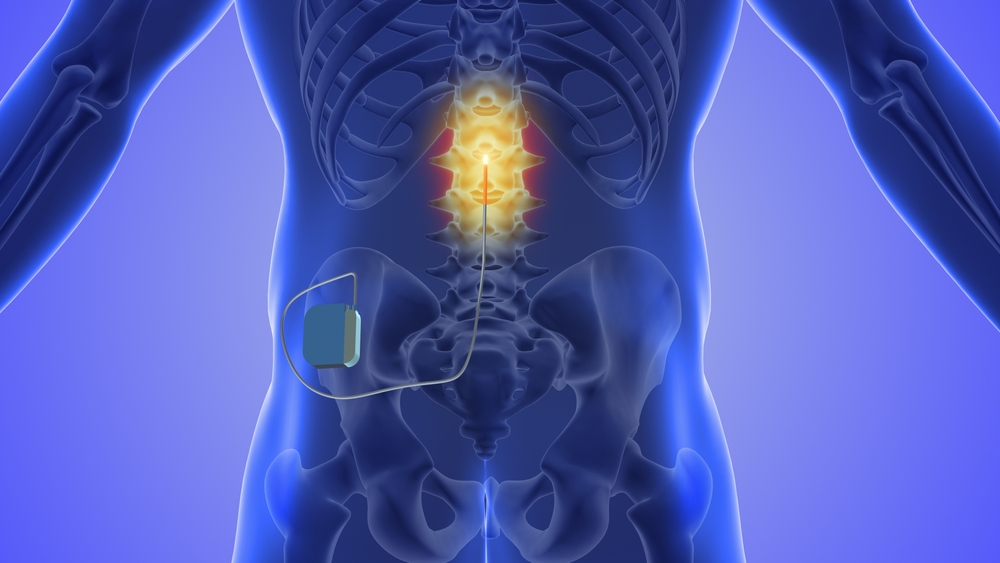
Spinal cord stimulators use thin electrical wires, called leads, to deliver stimulation near the spinal cord.
These leads can fracture, become damaged, or move out of position after implantation.
When that happens, the device may stop providing relief or begin delivering stimulation in unexpected areas. Patients can experience sudden pain, uncomfortable electrical sensations, or a return of the symptoms the device was supposed to control.
Some patients require another surgery to reposition, replace, or remove the affected leads.
Lead fractures are particularly important in the current litigation because imaging, surgical records, and examination of the device can help establish what happened.
Painful Electrical Shocks
A spinal cord stimulator delivers controlled electrical impulses to help interrupt pain signals.
Patients who experience device problems sometimes report sudden, painful shocks that feel nothing like the stimulation they were expecting.
These episodes can interfere with walking, sleeping, working, and other everyday activities. Severe shocks can also send patients to the emergency room or require hospitalization.
Attorneys are particularly interested in cases involving electrical shocks serious enough to require hospital treatment.
The medical records, device settings, and any testing performed afterward can help determine why the shocks occurred.
Second- and Third-Degree Burns
Some spinal cord stimulator injury investigations involve patients who suffered serious burns.
Second-degree burns damage the outer layer of skin and part of the tissue underneath. Third-degree burns destroy the full thickness of the skin and can leave permanent scarring or require extensive treatment.
Burning sensations alone are not the same as medically diagnosed burns. That distinction matters when reviewing a claim.
Attorneys look for medical documentation showing the location and severity of the injury, along with evidence connecting it to the implanted system.
Bladder and Bowel Dysfunction
The spinal cord and surrounding nerves play an important role in bladder and bowel control.
A serious neurological injury can disrupt those functions, leaving patients with problems such as urinary retention, incontinence, or difficulty controlling bowel movements.
These complications can affect nearly every part of a person’s daily life. Some patients need ongoing medical treatment, medication, or assistance managing basic activities.
When bladder or bowel problems develop after spinal cord stimulator implantation or a related procedure, medical records are essential to determining what caused them.
Sudden loss of bladder or bowel control, especially with new leg weakness or numbness, is a medical emergency and requires immediate evaluation.
Gastroparesis and Cardiac Arrhythmias
Attorneys are also reviewing certain spinal cord stimulator cases involving gastroparesis and abnormal heart rhythms.
Gastroparesis is a condition in which the stomach has difficulty emptying normally. It can cause persistent nausea, vomiting, bloating, and problems getting enough nutrition.
Cardiac arrhythmias occur when the heart beats too quickly, too slowly, or irregularly. Symptoms can include palpitations, dizziness, fainting, and shortness of breath.
Both conditions have several possible causes. For a spinal cord stimulator lawsuit, the medical evidence must support a connection between the condition and the device or a related complication.
Paralysis and Permanent Nerve Damage
Some of the most serious cases under investigation involve permanent neurological injuries.
Damage to the spinal cord or surrounding nerves can leave patients with weakness, numbness, loss of sensation, or difficulty moving parts of their body.
Severe spinal cord injuries can result in paraplegia, quadriplegia, or other forms of paralysis.
The consequences go far beyond physical pain. A person who loses mobility may need rehabilitation, modifications to their home, assistance with everyday activities, and medical care for the rest of their life.
Attorneys investigating these cases review imaging, neurological examinations, operative reports, and other medical evidence to understand how the injury occurred.
Surgery to Repair or Remove the Spinal Cord Stimulator
For some patients, the complications don’t end until they undergo another operation.
A fractured or migrated lead may need to be repositioned, replaced, or removed. Other patients require surgery because of infection, persistent pain, or a device that is no longer functioning properly.
Every additional procedure brings new risks, recovery time, medical expenses, and disruption to the patient’s life.
One important distinction is why the surgery was performed. Routine replacement of a depleted battery or pulse generator is different from surgery required because an implanted lead failed or caused an injury.
Operative reports often provide some of the clearest evidence about the reason for a revision or removal procedure.
Does Every Spinal Cord Stimulator Complication Qualify for a Lawsuit?
No. Spinal cord stimulation is an invasive treatment, and complications can occur even when a device was properly designed and manufactured.
A lawsuit requires evidence supporting a legal claim against the manufacturer, not simply proof that the treatment was unsuccessful.
That’s why attorneys look closely at the injury, the medical records, the device’s history, and what happened before and after the complication.
Patients who suffered a serious injury should have their circumstances reviewed rather than assume that an unsuccessful implant automatically rules them in or out.

Boston Scientific Spinal Cord Stimulator Recall (2026)
In September 2026, the FDA announced a Class I recall involving Boston Scientific’s Infinion CX spinal cord stimulator leads after the company reported more than 1,000 serious injuries associated with the devices.
The problem involves the thin electrical leads that deliver stimulation near the spinal cord. According to the FDA, mechanical stress near the point where a lead is anchored can cause it to fracture or develop electrical problems.
When that happens, patients can lose the pain relief their spinal cord stimulator was supposed to provide. Some require another surgery to remove or replace the damaged lead.
The FDA classified the recall as Class I, its most serious category, because continued use of the affected products could cause serious injury or death.
Which Boston Scientific Spinal Cord Stimulator Leads Were Recalled?
The recall involves two Infinion CX lead kits manufactured by Boston Scientific Neuromodulation Corporation.
| Recalled Product | Model Number |
|---|---|
| Infinion CX Lead Kit, 50 cm | SC-2317-50 |
| Infinion CX Lead Kit, 70 cm | SC-2317-70 |
Boston Scientific began the recall on June 17, 2026, when it instructed healthcare facilities and distributors to stop using the affected leads and return their unused inventory.
The FDA classified the action as a Class I recall and published its public safety announcement on September 3, 2026.
The FDA’s recall database identifies 1,079 affected devices in commerce.
How Many Injuries Were Reported?
According to the FDA, Boston Scientific reported 1,081 serious injuries and no deaths associated with the Infinion CX lead issue as of May 27, 2026.
The reported problem involves mechanical stress at the lead’s anchor site. This can cause a lead to fracture or produce unusually high electrical impedance, interfering with the stimulation the device delivers.
For some patients, the problem cannot be resolved by adjusting the device’s programming. Surgery to remove or replace the lead may be necessary.
The injury reports do not mean that every patient experienced the same complication or that every report establishes a manufacturing defect. They do, however, document the seriousness of the problem that prompted the recall.
Does the Boston Scientific Recall Require Patients to Remove Their Implants?
No. The recall applies to unused Infinion CX leads and does not require patients to remove leads that have already been implanted.
The FDA has not recommended additional monitoring beyond routine clinical follow-up solely because of the recall. However, patients experiencing new pain, unexpected stimulation, or loss of pain relief should contact their treating physician.
Can You File a Lawsuit Over a Recalled Boston Scientific Spinal Cord Stimulator?
Yes. Patients who suffered serious injuries involving Boston Scientific spinal cord stimulators can have their cases reviewed, including those involving recalled Infinion CX leads.
A recall can provide important evidence about a product’s safety history, but it does not automatically establish that the manufacturer is legally responsible for an individual patient’s injury.
Attorneys will examine the device model, medical records, complications, and any surgery required to determine whether the evidence supports a claim.
You also do not need a recalled device to pursue a spinal cord stimulator lawsuit. Other Boston Scientific products are involved in the broader litigation.
For the official product information, affected model numbers, and safety instructions, read the FDA’s Boston Scientific Infinion CX recall announcement.

Why Are Spinal Cord Stimulator Manufacturers Being Sued?
Spinal cord stimulator manufacturers are being sued because patients say their devices malfunctioned, caused serious injuries, and carried risks that were not adequately disclosed.
But the lawsuits go beyond broken leads and painful electrical shocks.
Attorneys are also investigating how these devices were tested, what manufacturers knew about safety problems, and whether they followed FDA requirements when introducing new products or modifying existing ones.
The lawsuits focus on four major issues.
Defective Device Design and Manufacturing
Medical device manufacturers are responsible for making products that meet applicable safety standards.
A spinal cord stimulator has several components that must work together, including an implanted pulse generator, electrical leads, and a system used to control stimulation.
When a component fails, the consequences can be serious.
For example, a fractured lead can interrupt stimulation and leave a patient facing another surgery. Other device problems can cause unexpected electrical sensations or interfere with the treatment the patient was supposed to receive.
Attorneys are examining whether these failures resulted from problems with the original device design, manufacturing defects, or changes made after the products entered the market.
Boston Scientific’s 2026 Infinion CX recall is particularly relevant. The FDA identified device design as the cause of that recall, which involved concerns about mechanical stress and lead fractures.
That finding provides important information about the recalled product, although liability for an individual patient’s injury still depends on the evidence in that case.
Failure to Warn Patients and Doctors About Known Risks
Doctors and patients need accurate safety information before deciding whether to use an implanted medical device.
Manufacturers are responsible for providing appropriate warnings about significant risks associated with their products.
The spinal cord stimulator lawsuits question whether companies adequately disclosed problems involving device failures, painful electrical stimulation, lead complications, and injuries requiring additional surgery.
Attorneys are also investigating when manufacturers became aware of safety concerns and how they responded.
If a company knew about a serious problem but failed to provide required warnings, that conduct can become an important part of a product liability case.
Questions About FDA Approval and Device Modifications
One of the biggest issues in the current litigation involves how spinal cord stimulators received FDA approval and how manufacturers subsequently modified them.
These devices are generally classified as Class III medical devices, placing them under some of the FDA’s most extensive regulatory requirements.
Manufacturers typically must obtain premarket approval before selling a Class III device. Depending on the nature of a later modification, they may also need FDA approval through a supplemental application.
The lawsuits challenge whether certain manufacturers used that supplemental approval process to introduce substantially modified devices without the level of clinical evaluation those changes warranted.
In the Boston Scientific litigation, patients have questioned the company’s reliance on published research involving other manufacturers’ devices and its use of successive approval supplements.
Similar questions about device modifications and regulatory compliance are being examined in the Abbott and Nevro lawsuits.
The central issue is whether manufacturers followed the safety requirements that applied to their devices, not simply whether the FDA approved them.
The Role of Manufacturer Representatives in Device Programming
Another issue involves company representatives who help physicians and patients program spinal cord stimulators.
These representatives often have specialized knowledge of their company’s devices and may assist with adjusting stimulation settings.
The lawsuits question whether some representatives went beyond their proper role by making treatment-related decisions or performing activities that should have been handled by licensed medical professionals.
Attorneys are also investigating reports that certain device problems were treated as programming issues, potentially delaying the identification of damaged or malfunctioning components.
These questions are especially important when a patient continued experiencing painful stimulation or other complications despite repeated programming adjustments.
Can You Sue a Spinal Cord Stimulator Manufacturer if the FDA Approved the Device?
Yes. FDA approval does not automatically prevent an injured patient from filing a lawsuit.
However, federal law places important limits on some claims involving FDA-approved medical devices.
For example, certain state-law claims challenging the safety or labeling requirements of an approved device can be blocked by federal preemption.
Other claims, including qualifying claims based on violations of federal safety requirements, can still move forward when they meet the applicable legal standards.
This is one reason spinal cord stimulator lawsuits require careful investigation. Attorneys must examine both the patient’s injury and the manufacturer’s regulatory history.
The fact that a device received FDA approval does not resolve every question about what happened afterward.
What Do Patients Have to Prove in a Spinal Cord Stimulator Lawsuit?
A patient generally needs evidence showing that the manufacturer violated an applicable legal duty and that the violation caused a compensable injury.
That evidence can include medical records, imaging, device testing, surgical reports, FDA records, and information obtained during litigation.
The requirements depend on the type of claim and the laws that apply.
A device failure alone does not establish manufacturer liability. But when a serious injury is connected to a defective component, inadequate warning, or regulatory violation, the evidence deserves a thorough review.

Spinal Cord Stimulator Lawsuit Settlement Amounts
Spinal cord stimulator lawsuit settlement estimates currently range from $90,000 to $2.5 million, depending on the severity of the injury, the treatment required, and whether the patient suffered permanent damage.
These figures are projections, not confirmed settlement amounts from the current lawsuits against Abbott, Boston Scientific, or Nevro.
As of October 2026, no global settlement has been announced in any of the three federal spinal cord stimulator MDLs. The lawsuits are still moving through the early stages of litigation.
That means there is no established average payout, and no reliable way to predict exactly what an individual case will be worth.
What Is the Average Settlement for a Spinal Cord Stimulator Lawsuit?
There is no confirmed average spinal cord stimulator lawsuit settlement.
Some published estimates suggest that certain serious injury claims could result in compensation of $250,000 or more. Cases involving permanent paralysis, extensive medical treatment, or lifelong care could be valued considerably higher.
However, these are estimates based on the types of injuries involved, not actual payouts established by the current litigation.
The difference matters. A projected settlement value reflects what someone believes a case could be worth. An actual settlement is an amount agreed upon by the parties to resolve a claim.
Until the litigation produces meaningful settlement data or jury verdicts, any published average should be treated as speculative.
What Factors Affect Spinal Cord Stimulator Settlement Amounts?
Not every spinal cord stimulator injury has the same consequences.
A patient who needed one additional procedure to replace a fractured lead may have a very different claim from someone who suffered permanent neurological damage.
Attorneys evaluating these lawsuits generally consider:
- Severity of the injury: Permanent nerve damage, paralysis, and other catastrophic injuries can result in substantial damages.
- Additional surgeries: Revision or removal procedures increase medical expenses and can create new complications.
- Future medical care: Some patients need ongoing treatment, rehabilitation, medication, or assistance with everyday activities.
- Lost income: Injuries that prevent someone from returning to work can affect both current earnings and future earning capacity.
- Pain and suffering: Compensation can account for physical pain, emotional distress, and the loss of activities a person previously enjoyed.
- Evidence against the manufacturer: Medical records, device testing, FDA findings, and other evidence can affect the strength of the claim.
The manufacturer’s ability to challenge liability also matters. Even a serious injury must be connected to conduct that supports a legal claim.
What Compensation Can Patients Recover?
Patients injured by defective spinal cord stimulators are seeking compensation for the financial losses and personal hardships caused by their injuries.
Depending on the circumstances, damages can include:
- Hospital bills and emergency medical treatment
- Surgery to repair, replace, or remove implanted leads
- Rehabilitation and ongoing medical care
- Lost wages and reduced future earnings
- Pain and suffering
- Emotional distress
- Permanent disability and reduced quality of life
Some cases may also support punitive damages when the evidence and applicable state law justify them.
For patients with permanent injuries, future medical care and lost earning capacity can represent a substantial portion of the claim.
Have There Been Any Spinal Cord Stimulator Lawsuit Settlements or Verdicts?
There have been reported settlements and verdicts involving spinal cord stimulator injuries, but it’s important to distinguish medical malpractice cases from lawsuits against device manufacturers.
That type of case generally focuses on the conduct of a doctor or healthcare provider rather than whether the manufacturer sold a defective product.
The current federal lawsuits against Boston Scientific, Abbott, and Nevro raise different legal questions.
As of October 2026, there are no widely reported global settlements or established settlement averages for those manufacturer-specific MDLs.
When Will Spinal Cord Stimulator Lawsuits Settle?
There is no announced settlement date for the current spinal cord stimulator litigation.
The federal courts are still organizing the lawsuits, establishing procedures, and preparing for the exchange of evidence.
Before meaningful settlement negotiations occur, attorneys will likely need to examine manufacturer documents, FDA records, device testing, and medical evidence from injured patients.
Some mass tort litigations also use bellwether trials, which allow a small number of representative cases to go before juries. The results can help both sides evaluate the strengths and weaknesses of their positions.
However, settlement negotiations can begin before any trial, and not every MDL follows the same path.
For now, patients should not assume that compensation is available through an established settlement program.
Should You Wait for a Settlement Before Filing a Lawsuit?
No. Waiting for a settlement announcement could put your legal rights at risk.
Every state has deadlines for filing product liability lawsuits. Those deadlines continue to matter even while federal litigation is underway.
Patients who experienced serious complications should have their medical records and device information reviewed as soon as possible.
An attorney can determine whether the injury qualifies for the current litigation and explain which filing deadlines apply.

How Do Spinal Cord Stimulator Lawsuits Work?
Spinal cord stimulator lawsuits are being handled through three separate federal multidistrict litigations, or MDLs.
An MDL allows lawsuits involving similar products and legal questions to be managed together during the early stages of litigation. Instead of having dozens of federal courts examine the same manufacturer documents and hear the same arguments, one judge coordinates that work.
This can save time, reduce legal expenses, and help the cases move forward more efficiently.
Each patient still has an individual lawsuit. Their medical history, injuries, financial losses, and compensation are evaluated separately.
What Is the Difference Between an MDL and a Class Action Lawsuit?
In a class action, one or more plaintiffs represent a larger group of people whose claims meet the requirements for class treatment.
A spinal cord stimulator MDL works differently.
Patients retain their individual claims even though the cases share a federal judge for coordinated pretrial proceedings.
That distinction is particularly important in medical device litigation.
One patient may have undergone surgery to replace a fractured lead. Another may have suffered permanent neurological damage and need medical care for the rest of their life.
Those injuries cannot reasonably be valued the same way.
An MDL allows attorneys to investigate common issues involving a manufacturer’s products while preserving each patient’s right to pursue compensation for their own losses.
What Happens After You File a Spinal Cord Stimulator Lawsuit?
The process generally begins with an attorney reviewing your medical records, identifying the implanted device, and determining whether the evidence supports a claim.
If a lawsuit is filed, several steps may follow:
- Filing the complaint: Your attorney files a lawsuit identifying the manufacturer, the injuries involved, and the legal basis for the claim.
- Coordinating the case: If the lawsuit belongs in an existing MDL, it can become part of the coordinated federal proceedings.
- Gathering evidence: Attorneys obtain medical records, device information, manufacturer documents, and other evidence.
- Evaluating liability and damages: The parties examine what caused the injury and the compensation being sought.
- Settlement negotiations or trial: Some cases resolve through settlement. Others require additional litigation or a trial.
Not every case follows exactly the same path. The process depends on the manufacturer, the court’s orders, and the evidence involved.
What Is Discovery in a Spinal Cord Stimulator Lawsuit?
Discovery is the process of exchanging evidence between the parties.
In the spinal cord stimulator MDLs, attorneys can seek information about how devices were designed, tested, manufactured, and marketed.
That includes internal company records, FDA communications, product testing, adverse-event reports, and documents involving safety warnings.
Attorneys also gather information about individual patients, including their implantation procedures, medical complications, and subsequent treatment.
Discovery is often one of the most important stages of a medical device lawsuit because it can reveal what a manufacturer knew about product problems and how the company responded.
Will There Be Bellwether Trials?
Bellwether trials are sometimes used in large MDLs to help both sides understand how juries respond to the evidence.
A small number of individual cases are selected for trial. Their outcomes can influence settlement discussions and help attorneys evaluate similar claims.
However, a bellwether verdict does not automatically determine the outcome of every other lawsuit.
As of October 2026, no bellwether trial schedule has been established for the three spinal cord stimulator MDLs.
The courts are still addressing the early stages of the litigation.
Do You Have to Go to Court?
Most of the legal work can be handled by your attorney without requiring you to appear in court for every proceeding.
However, some patients may need to provide testimony, participate in a deposition, undergo an independent medical examination, or attend trial.
Your attorney should explain what participation is required and help you prepare.
Can You Still File a Spinal Cord Stimulator Lawsuit?
Yes. The establishment of the federal MDLs does not mean the litigation is closed to new cases.
Attorneys are continuing to review injuries involving Abbott, Boston Scientific, Nevro, and other spinal cord stimulator manufacturers.
Whether a particular claim can be filed depends on the injury, available evidence, and applicable filing deadlines.
For more information about how these cases are coordinated, read our guide to mass tort litigation.
What Evidence Do You Need to File a Spinal Cord Stimulator Lawsuit?
Medical records are some of the most important evidence in a spinal cord stimulator lawsuit. They help establish which device you received, what went wrong, and how the complications affected your health.
You don’t need to have every document before contacting an attorney. In most cases, the legal team can help obtain the records needed to investigate your claim.
Which Medical Records Are Most Important?
Attorneys investigating spinal cord stimulator injuries generally look for:
- Implantation records: The original surgical report showing when the device was implanted and which components were used.
- Device identification: The manufacturer, model number, serial number, and other identifying information.
- Emergency room records: Documentation of painful electrical shocks, burns, neurological symptoms, or other complications that required urgent treatment.
- Imaging and diagnostic tests: X-rays, CT scans, and other studies that can help identify fractured or migrated leads.
- Device programming records: Information about adjustments, error messages, and attempts to correct problems with the stimulator.
- Revision or removal surgery records: Operative reports explaining why a lead or other component needed to be repaired, replaced, or removed.
- Follow-up treatment: Records documenting ongoing pain, nerve damage, rehabilitation, or permanent limitations.
These records help attorneys distinguish a device-related injury from the chronic pain or medical condition that led to implantation in the first place.
How Can You Find Out Which Spinal Cord Stimulator You Have?
Start with your medical device identification card.
Patients are often given a card after implantation that identifies the manufacturer and device model. If you still have it, keep a copy with your medical records.
If you don’t have the card, contact the hospital or surgical center where the device was implanted. The operative report should identify the implanted system and its components.
You can also ask your pain management specialist or the physician who currently manages your stimulator.
Not knowing your device’s model number should not stop you from having your case reviewed.
What if Your Spinal Cord Stimulator Was Already Removed?
You can still pursue a lawsuit if your spinal cord stimulator or its leads were removed.
In fact, the reason for removal can be important evidence.
For example, an operative report documenting a fractured lead may help explain why a patient experienced painful stimulation or needed another procedure.
If your device has already been removed, attorneys can review the surgical records, imaging, and any available information about the components.
If removal surgery is planned, tell your attorney as soon as reasonably possible. The legal team can determine whether the removed components should be preserved for examination.
Never delay necessary medical treatment to preserve evidence for a lawsuit.
Should You Report a Spinal Cord Stimulator Problem to the FDA?
Patients and healthcare professionals can report suspected medical device problems through the FDA’s MedWatch reporting system.
These reports help the agency identify safety concerns and monitor problems involving medical devices.
You can learn how to submit a report through the FDA’s medical device reporting guidance.
An FDA report can be useful when investigating a device’s safety history, but it does not establish that the device caused an individual patient’s injury.
Your medical records, device information, and other evidence remain essential.
What if You Don’t Have All Your Medical Records?
That’s common, especially when someone has received treatment from several doctors or hospitals over a period of years.
You can start with the information you already have, including the approximate implantation date, the hospital where the procedure took place, and the complications you’ve experienced.
An attorney can help identify missing records and request the documents needed to evaluate your claim.
The important thing is not to wait until you’ve collected every piece of paperwork before finding out whether you have a case.

How Long Do You Have to File a Spinal Cord Stimulator Lawsuit?
The deadline to file a spinal cord stimulator lawsuit depends on the state where your claim is brought and the type of legal claim involved.
These deadlines are called statutes of limitations. Missing one can prevent you from recovering compensation, even if you suffered a serious injury.
One of the biggest questions is when the filing deadline begins. For patients with implanted medical devices, the answer isn’t always straightforward.
Does the Filing Deadline Start When the Device Was Implanted?
Not necessarily.
Some patients experience complications shortly after implantation. Others live with their devices for years before a lead fractures, the stimulator malfunctions, or another serious problem develops.
In many states, the discovery rule can affect when the filing period begins. This rule considers when a patient discovered, or reasonably should have discovered, the injury and its connection to the product.
For example, someone who received a spinal cord stimulator in 2020 but didn’t discover a fractured lead until 2025 should not automatically assume their filing deadline expired years earlier.
However, the discovery rule works differently from state to state. Some claims are also subject to separate deadlines that limit how long a manufacturer can be sued.
What Is the Statute of Limitations for a Spinal Cord Stimulator Lawsuit in Florida?
Florida generally provides four years to file a qualifying product liability claim involving personal injury caused by the design, manufacture, distribution, or sale of a product.
Under Florida Statutes § 95.11, other claims can have shorter deadlines.
For example:
- Product liability: Generally four years for qualifying claims.
- Negligence: Generally two years for claims governed by the current law.
- Wrongful death: Generally two years.
Florida also has specific rules governing when product liability claims accrue and a statute of repose that can place an additional limit on older claims.
You can review those provisions in Florida Statutes § 95.031.
The important point is that not every lawsuit involving a spinal cord stimulator follows the same deadline. An attorney needs to determine which law applies to the particular claim.
Can You File a Lawsuit Years After Your Spinal Cord Stimulator Was Removed?
Yes, depending on when the injury occurred, when you discovered its cause, and the applicable filing deadline.
Having the device removed does not automatically end your right to pursue compensation.
However, waiting several years after removal can create additional legal and evidentiary problems.
Medical records may become harder to obtain, device components may no longer be available, and important filing deadlines may pass.
An attorney can review the timeline to determine whether a claim remains available.
Does Joining an MDL Extend Your Filing Deadline?
No. The existence of a federal multidistrict litigation does not automatically extend the deadline for filing an individual lawsuit.
The Abbott, Boston Scientific, and Nevro MDLs allow federal cases to be coordinated, but patients must still comply with the deadlines that apply to their claims.
You should not assume that an MDL, an FDA recall, or ongoing settlement discussions gives you additional time to file.
What Should You Do if You’re Unsure About the Deadline?
Start by gathering three dates: when your spinal cord stimulator was implanted, when you first experienced the complication, and when a doctor identified the problem.
If you underwent revision or removal surgery, that date is also important.
An attorney can use this information, along with your medical records, to determine which filing deadlines apply.
Don’t wait for the federal lawsuits to settle before finding out whether you still have time to file a claim.

Frequently Asked Questions About Spinal Cord Stimulator Lawsuits
Is there a spinal cord stimulator class action lawsuit in 2026?
Spinal cord stimulator lawsuits against Boston Scientific, Abbott, and Nevro are being coordinated through three separate federal MDLs. Unlike a class action, an MDL allows each patient to maintain an individual claim for their injuries.
How much is the average spinal cord stimulator lawsuit settlement?
There is no confirmed average settlement. Published projections range from $90,000 to $2.5 million, but these are estimates rather than payouts from the current federal litigation.
Which spinal cord stimulators are involved in lawsuits?
Lawsuits involve devices manufactured by Boston Scientific, Abbott, and Nevro. Attorneys are also reviewing claims involving Medtronic devices and older St. Jude Medical systems, which are now associated with Abbott.
What is the latest spinal cord stimulator lawsuit update?
As of October 2026, three federal MDLs have been established. Boston Scientific’s MDL began in June, while separate Abbott and Nevro MDLs were established on October 2, 2026.
Can you sue if your spinal cord stimulator stopped working?
A device that stops providing pain relief does not automatically qualify for a lawsuit. Cases involving fractured leads, serious injuries, or additional surgery are more likely to warrant investigation.
Can you sue if your spinal cord stimulator was never recalled?
Yes. A medical device does not have to be recalled for an injured patient to file a product liability lawsuit.
What if your spinal cord stimulator was implanted more than five years ago?
You may still qualify. The filing deadline depends on state law, when the injury occurred, and when you discovered its possible connection to the device.
Can you sue if your doctor recommended the spinal cord stimulator?
Yes. A doctor’s recommendation does not prevent you from pursuing a claim against the manufacturer if a defective device caused your injury.
Are Abbott and St. Jude Medical spinal cord stimulators the same?
Abbott acquired St. Jude Medical in 2017. Depending on when your device was implanted, your records may identify either manufacturer.
Do you need a lawyer to file a spinal cord stimulator lawsuit?
You are not legally required to hire an attorney, but these cases involve complex medical evidence, FDA regulations, and federal litigation procedures. An experienced product liability attorney can investigate the device and determine how to pursue a claim.

How to Get a Free Spinal Cord Stimulator Lawsuit Review
If your spinal cord stimulator caused a serious injury, you deserve to know what went wrong and whether the manufacturer can be held responsible.
You don’t need to know whether your device was defective before speaking with an attorney. You also don’t need to have every medical record or know your device’s exact model number.
An attorney can help investigate those details.
Speak With a Spinal Cord Stimulator Lawsuit Lawyer
Dolman Law Group is reviewing spinal cord stimulator injury claims involving Abbott, Boston Scientific, Nevro, Medtronic, and St. Jude Medical devices.
The firm has 16 attorneys with more than 200 years of combined legal experience and has recovered over $700 million for clients across its practice areas.
If you suffered a serious complication after receiving a spinal cord stimulator, you can request a free, confidential case review.
Contact Dolman Law Group to find out whether you qualify for a spinal cord stimulator lawsuit.