As a parent, you work tirelessly to give your child the best possible start in life, and that commitment extends to every meal you serve. When you choose an organic baby food product, you’re doing so out of love, believing you are selecting a safer, healthier, and purer option. However, the question remains… is organic baby food safer?
Unfortunately, heartbreaking research and mounting lawsuits suggest that an "organic" label does not guarantee a baby food is free from dangerous heavy metals that can cause lifelong harm to a child’s developing brain.
The discovery that the very foods trusted to nourish your child may contain substances linked to neurodevelopmental harm is deeply distressing. Understanding why this happens, what the science shows, and how the legal system is responding can empower you to protect your family and seek the justice you deserve.
Contact the legal team at Lawsuit Legal News
The Heartbreaking Link: Heavy Metals and Your Child’s Development
The toxic baby food lawsuits center on the presence of four specific heavy metals that are known neurotoxins, meaning they are particularly damaging to the brain and nervous system:
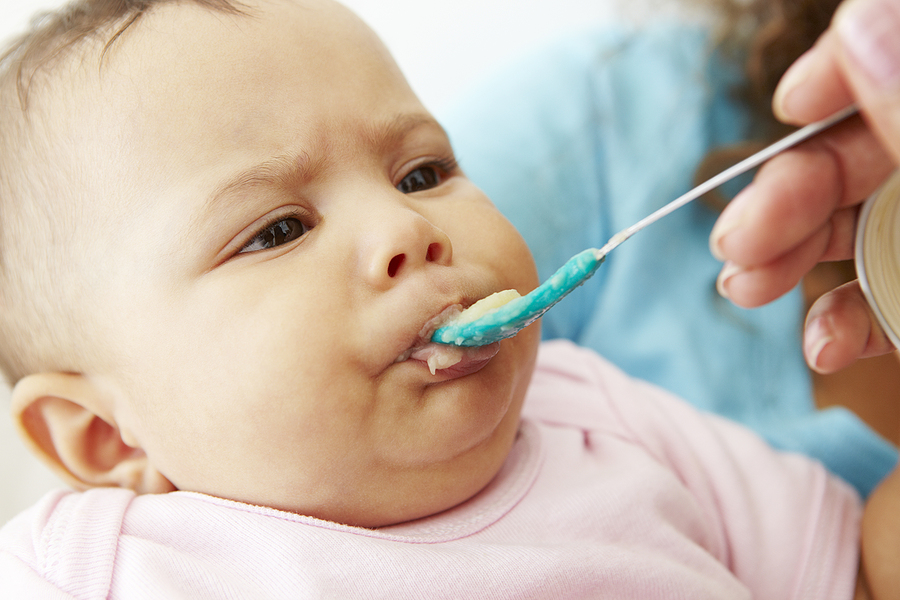
A young child’s brain is in a critical period of rapid growth, making it uniquely vulnerable to the effects of these substances. Even in small amounts, consistent exposure to heavy metals has been scientifically linked to irreversible damage, potentially leading to conditions like autism spectrum disorder (ASD) and attention-deficit/hyperactivity disorder (ADHD).
The scale of the problem is alarming. A recent report by Healthy Babies Bright Futures tested 168 baby foods from major manufacturers in the U.S. The results were stunning: 95% of the tested foods contained one or more toxic heavy metals. This report was a key piece of evidence that brought this public health crisis into the national spotlight.
Why Does “Organic” Not Equal “Heavy Metal-Free”?
This is the most crucial and often misunderstood part of the issue. The contamination isn't typically happening because manufacturers are adding heavy metals to their products. The problem starts in the earth itself.
Heavy metals are naturally occurring elements found in soil and water. Decades of pollution and the use of certain pesticides have increased their concentration in many agricultural areas. The core issue is that organic farming standards focus on prohibiting synthetic pesticides and fertilizers, not on testing for or removing heavy metals in the soil.
Therefore, an organic carrot grown in contaminated soil can absorb the same amount of lead and arsenic as a conventionally grown carrot in the same field.
Certain plants are also known as "hyperaccumulators" of heavy metals, meaning they draw them from the soil more easily than others. Unfortunately, these include staples of many baby foods:
- Rice: Known to absorb arsenic from soil and water.
- Root Vegetables: Carrots and sweet potatoes can absorb lead and cadmium.
- Leafy Greens: Spinach is also susceptible to contamination.
Because these ingredients form the base of many purees, puffs, and teething biscuits, including organic varieties, the contamination becomes widespread across product lines.
What a U.S. Congressional Report Revealed About Top Brands

In 2021, the concern over toxic baby food escalated when a U.S. Congressional report was released by the Subcommittee on Economic and Consumer Policy. The investigation requested internal documents and test results from several major baby food companies, including those that produce popular organic lines like Happy Family Organics (Nurture) and Plum Organics (Campbell).
The report, titled "Baby Foods Are Tainted with Dangerous Levels of Arsenic, Lead, Cadmium, and Mercury," found that:
- Known Contamination: Major brands, both conventional and organic, knew their products contained significant levels of toxic heavy metals.
- Unsafe Internal Standards: The companies often set their own internal standards for acceptable levels of metals, which were dangerously high compared to what government agencies like the FDA recommend for other products, like drinking water.
- Failure to Test: Most companies did not even test their finished products for mercury.
- Ignoring the Dangers: The evidence showed a disturbing disregard for the neurotoxic effects of these metals on babies, prioritizing profit over safety.
This report provided powerful evidence for legal claims, as it suggested that manufacturers were not only aware of the problem but failed to warn the public or take adequate steps to fix it.
The Basis for the Toxic Baby Food Lawsuits
The lawsuits being filed across the country are based on this evidence. Parents are alleging that had they known these trusted products contained dangerous levels of heavy metals, they never would have purchased them.
The primary legal claims include:
- Failure to Warn: Companies did not disclose the presence of heavy metals on their packaging, robbing parents of the ability to make an informed choice.
- Negligence: Manufacturers had a duty to ensure their products were safe for consumption by infants, and they breached that duty by selling contaminated food.
- Misleading Marketing: Many brands, especially organic ones, marketed their products as wholesome, pure, and beneficial for development. These claims are seen as deeply misleading in light of the known contamination.
The goal of these lawsuits is twofold: to secure compensation and damages in baby food lawsuits for families who are now facing a lifetime of challenges and expenses related to their child's diagnosis, and to force the entire baby food industry to adopt safer sourcing and stricter testing standards.
Lawsuit Legal News Has the Answers and Support You Deserve
Learning that the food you lovingly fed your child may have contributed to their developmental challenges is an unimaginable burden. The feelings of guilt, anger, and confusion are completely understandable, but it is critical to remember that you are not to blame. You placed your trust in companies that failed to protect the most vulnerable consumers.
Now is the time to seek clarity and explore your options. If your child consumed significant amounts of baby food from brands like Gerber, Beech-Nut, Earth's Best Organic, Happy Family Organics (HappyBABY), or Plum Organics and was later diagnosed with autism or severe ADHD, you may be eligible to file a lawsuit. Parents deserve to know what’s in your baby food before making choices that impact their child’s health.

The team at Lawsuit Legal News is here to help. Call us at (866) 535-9515 to schedule a free, no-obligation case evaluation, where you can share your story in a confidential setting and learn more about your legal rights. It costs you nothing to find out if you have a case and to get the answers your family deserves. Don't wait—take the first step toward holding these companies accountable today.
Contact the legal team at Lawsuit Legal News